Essay
Why Cloud Storage Fails Personal Memories
(and why more storage isn't the answer)
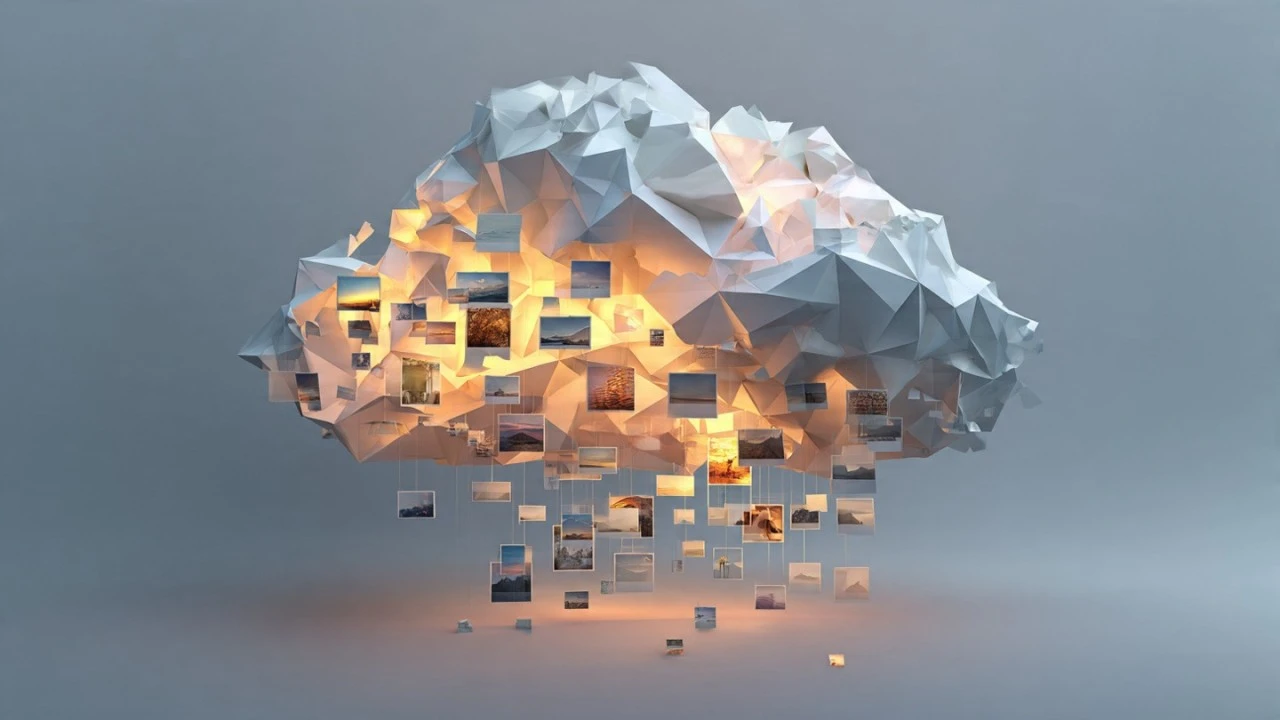
We've never created more digital memories than we do today.
Photos. Videos. Voice notes. Documents.
Every year, an average person creates tens of gigabytes of deeply personal data — most of it visual.
Yet here's the uncomfortable truth: cloud storage was never designed for human memory.
The Cloud Solves a Storage Problem
But memories aren't a storage problem.
Cloud systems are built for:
- Syncing files
- Replicating data
- Maximizing uptime
- Selling more storage
They are exceptional at preserving bytes. But memories are not bytes.
Why Memories Break in the Cloud
Let's be honest about what happens:
- Photos get buried under years of uploads
- Videos are never revisited
- Important documents vanish into folders
- Everything becomes searchable, yet nothing is discoverable
You don't remember: "IMG_8421.jpg in Drive/Backup/2022/May"
You remember: "That evening we didn't want to end."
Cloud systems don't understand time, emotion, or context.
The Privacy Paradox
Cloud platforms say: "Your data is safe."
What they mean is:
- Your files are encrypted for transit
- Your content is still centrally stored
- Your life exists on someone else's servers
But for personal memories?
Photos of your family. Videos of your children. Private moments you never meant to monetize.
Storage convenience quietly traded ownership.
More Storage ≠ Better Memory
The industry response has always been: "You're running out of space. Buy more."
But ask yourself:
- Did buying more storage help you find memories?
- Did it help you relive moments?
- Did it reduce chaos?
Or did it just delay the problem?
The Core Issue No One Talks About
Cloud platforms are file-centric. Human memory is timeline-centric.
Cloud sees:
- Files
- Paths
- Timestamps
Humans remember:
- People
- Events
- Phases of life
- Stories
This mismatch is why cloud storage feels empty — even when it's full.
What Personal Memories Actually Need
Personal memories need:
- Context, not folders
- Timelines, not directories
- Privacy by design, not policy
- Intelligence that serves the user — not the platform
They need to live with the user, not above them.
The Shift That's Coming
The future of personal data isn't: "Where can I store this?"
It's: "How do I make sense of my digital life?"
We don't need more clouds. We need better memory systems.
Final Thought
Your memories deserve more than a sync engine. They deserve understanding, respect, and ownership.
And that's the conversation we should be having — before another decade of life disappears into folders.
Want more essays on ownership, privacy, and building products that age well?
Browse all writings